精选Data Annotation Service
向 AI 标注供应商必问的 SLA 与安全要求清单
供应商评估清单,聚焦决定标注风险的两个关键领域:他们愿意书面承诺的绩效 SLA,以及他们能真正拿出证据的安全控制。
11 min read
深入探讨企业人工智能、MLOps、DevOps 和现代基础设施。
显示 1–10(共 110 个帖子)
供应商评估清单,聚焦决定标注风险的两个关键领域:他们愿意书面承诺的绩效 SLA,以及他们能真正拿出证据的安全控制。
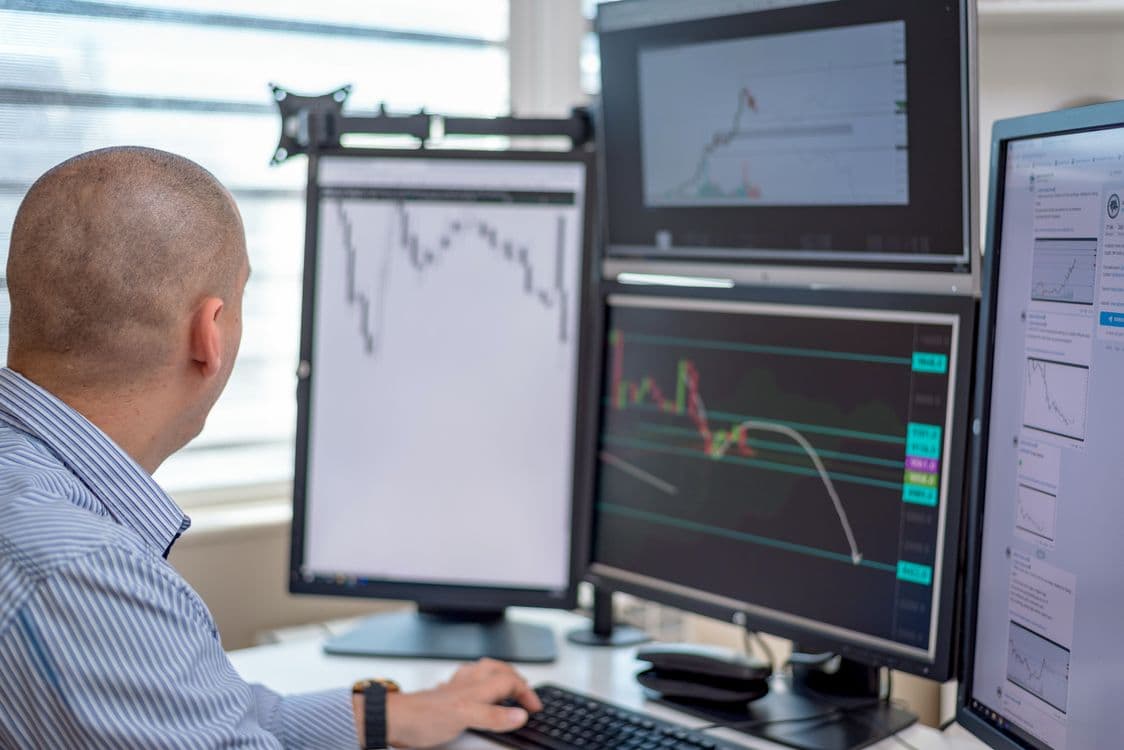
Multimodal robot training data - synchronized RGB, depth, force-torque, and audio - consistently outperforms single-modality datasets for contact-rich and dexterous manipulation tasks. This guide covers sensor selection, synchronization architecture, storage at scale, and QA for production multimodal collection programs.

Action segmentation annotation divides robot demonstrations into atomic action segments with class labels and temporal boundaries. Poor segmentation produces policies that fail at action transitions - the moments that most determine deployment robustness. This guide covers annotation taxonomy, IAA standards, and format compatibility with pi0, OpenVLA, and ACT pipelines.

IP protection is the top concern for Chinese robotics companies evaluating overseas data vendors. This guide covers the contractual provisions, technical safeguards, and operational controls that constitute genuine protection - and the weak measures that only appear to protect.

China has 40+ state-funded robot training facilities and 150+ active humanoid programs competing for the same domestic annotation workforce. This guide evaluates when Vietnam-based data services make sense for Chinese robotics teams - on cost, IP protection, language support, and scale.
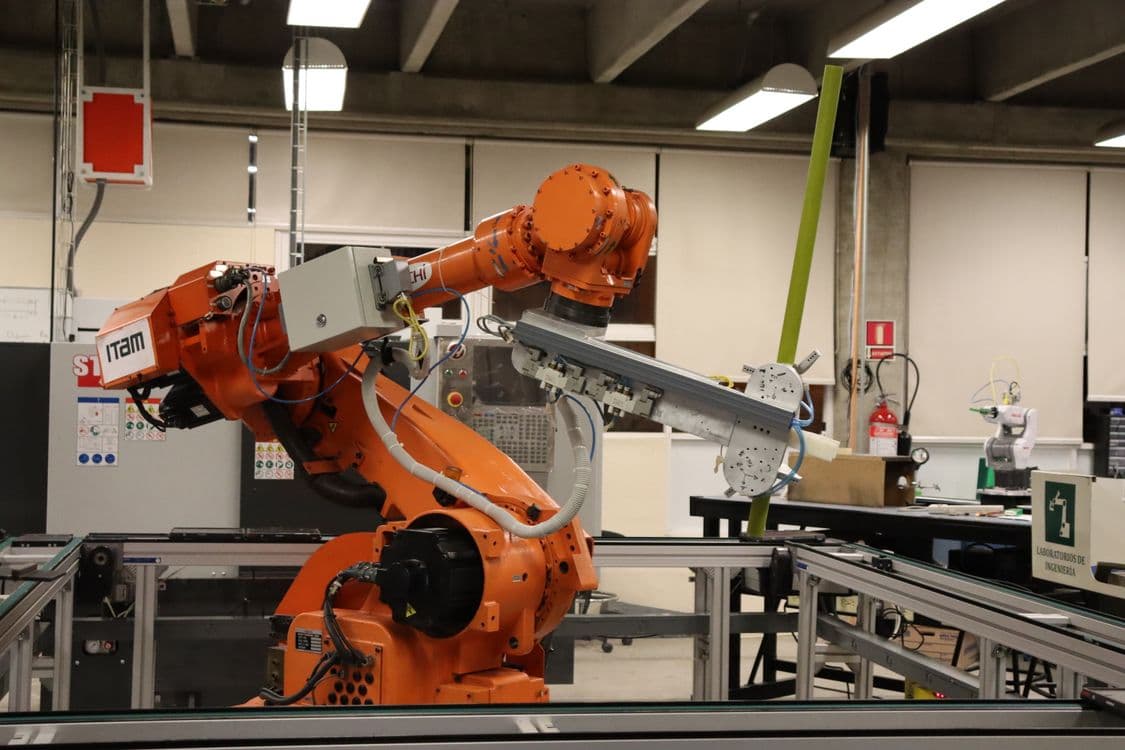
ALOHA and UMI are the two most widely adopted platforms for robot imitation learning data collection. This guide covers hardware specs, data format requirements, operator standards, and what to look for when sourcing managed ALOHA or UMI collection programs for enterprise robotics teams.
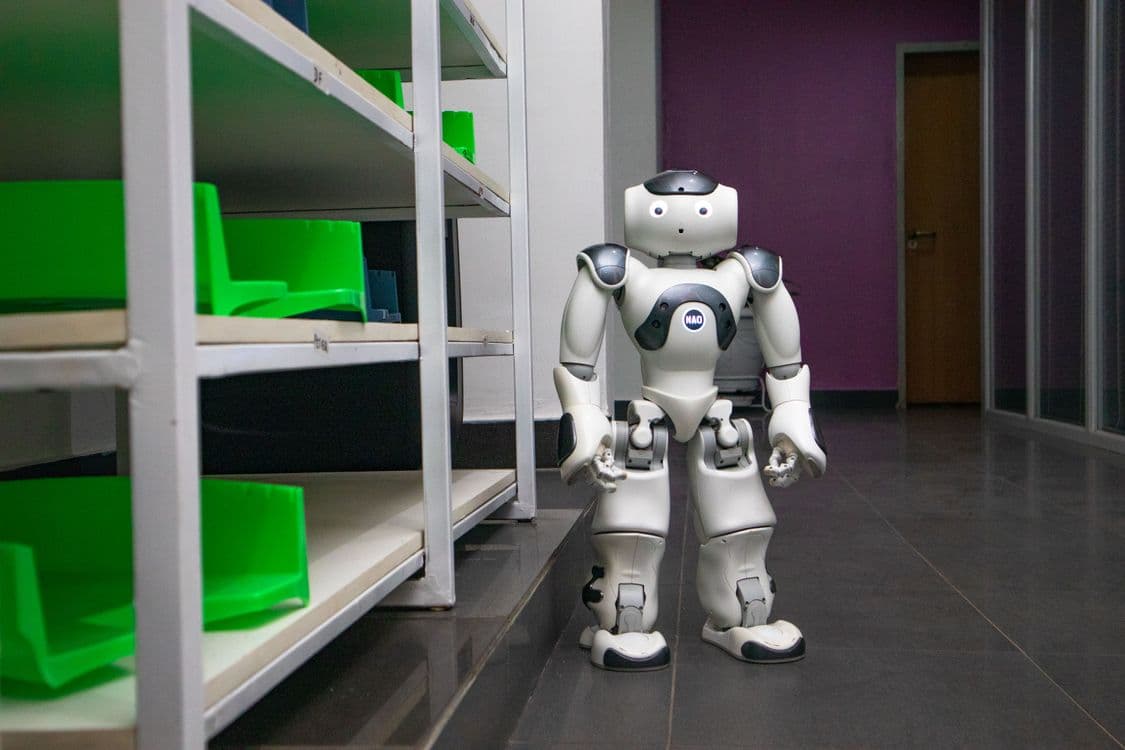
Nobody publishes real robot training data collection pricing. This guide covers 2026 cost benchmarks by program type - from $15/hr for simple teleoperation to $150+/hr for full humanoid multi-sensor programs - with a budget estimator framework for enterprise robotics teams.

Wearable camera data collection for robotics AI is almost entirely unaddressed in enterprise vendor content - most results are academic or consumer-focused. This guide covers hardware selection, rig configuration, calibration protocols, and QA for production-scale wearable egocentric programs.
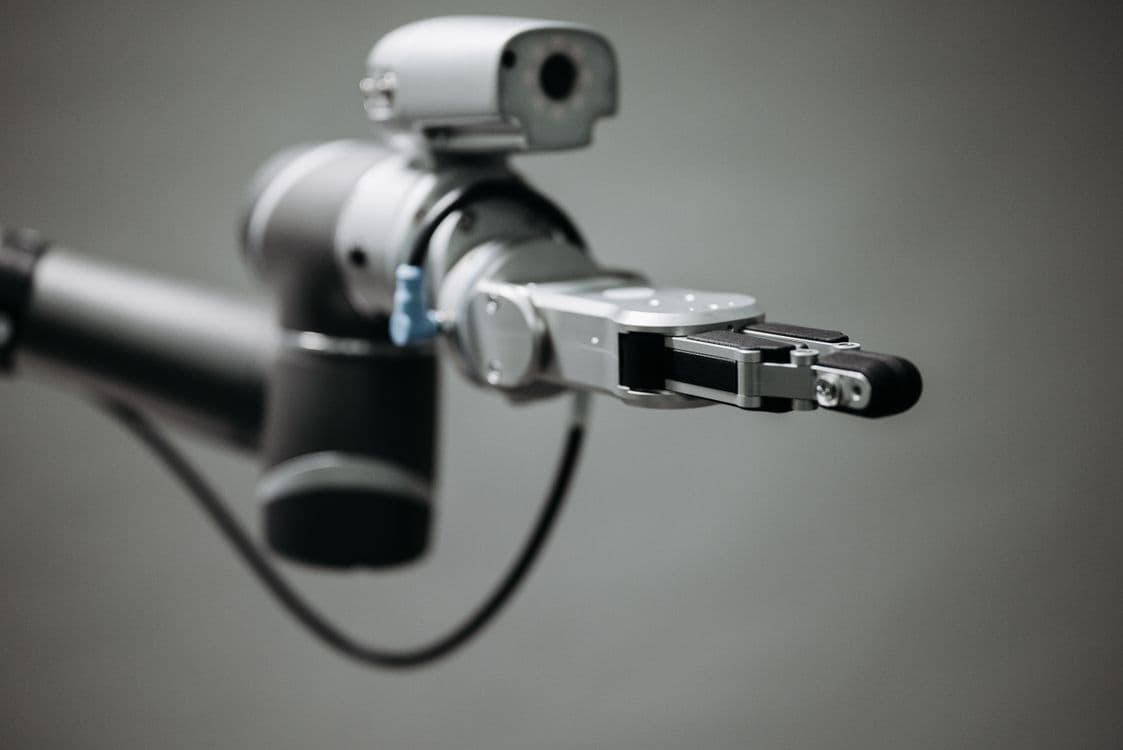
Teleoperation data collection as a managed service spans hardware, operator recruitment, scenario scripting, QA, and delivery format. Most vendors offer recording; few offer a complete program. This guide covers what to demand and how to evaluate whether a vendor can deliver it.

AI development outsourcing fails when buyers treat it like standard software outsourcing. This guide covers the six steps to structure an outsourcing engagement that produces working AI systems on schedule, including vendor evaluation, IP protection, pilot design, and governance.