Vietnamese environments for retail and surveillance AI training
Models for retail analytics, smart city AI, and surveillance systems trained exclusively on Western environments underperform in APAC deployments. Vietnamese commercial districts - particularly in Hanoi and Ho Chi Minh City - offer high pedestrian density, diverse retail formats, and mixed indoor/outdoor public spaces that match the deployment environments for most APAC-targeted AI programs. Collection programs in these environments produce data with the distributional properties that APAC retail and city AI systems need.
The retail and surveillance AI market across Southeast Asia is expanding rapidly, driven by mall operators, logistics companies, municipal smart city programs, and financial institutions deploying camera-based fraud and queue monitoring. Training datasets built from representative APAC environments - rather than adapted from US or EU footage - produce measurable performance gains at deployment. Vietnam sits at the intersection of cost efficiency and environmental relevance for these programs.
1. Retail analytics and in-store behavior datasets
Retail analytics AI requires video data covering: customer entry and exit events, dwell time and zone behavior, product interaction and shelf approach patterns, queue formation and service time measurement, and staff activity in customer-facing areas. Each of these behavioral categories requires scenario-specific footage - a general commercial dataset does not substitute for purpose-designed retail collection.
Vietnamese retail environments include modern mall formats, street-level commercial units, wet markets, and convenience store chains - covering the range of retail contexts deployed across APAC markets. This format diversity is an advantage for programs building generalizable retail AI, rather than models tuned to a single store type. Collection programs for retail AI use fixed-camera setups in partner retail locations with full consent and data use agreements in place with location operators.
The footage covers multiple lighting conditions (fluorescent, natural, mixed), crowd density levels, and seasonal variation. Hanoi retail environments shift significantly between summer and winter peak periods; HCMC retail patterns vary across wet and dry seasons. Programs designed to capture this variation produce more robust models than single-session collection programs.
2. Smart city and pedestrian behavior programs
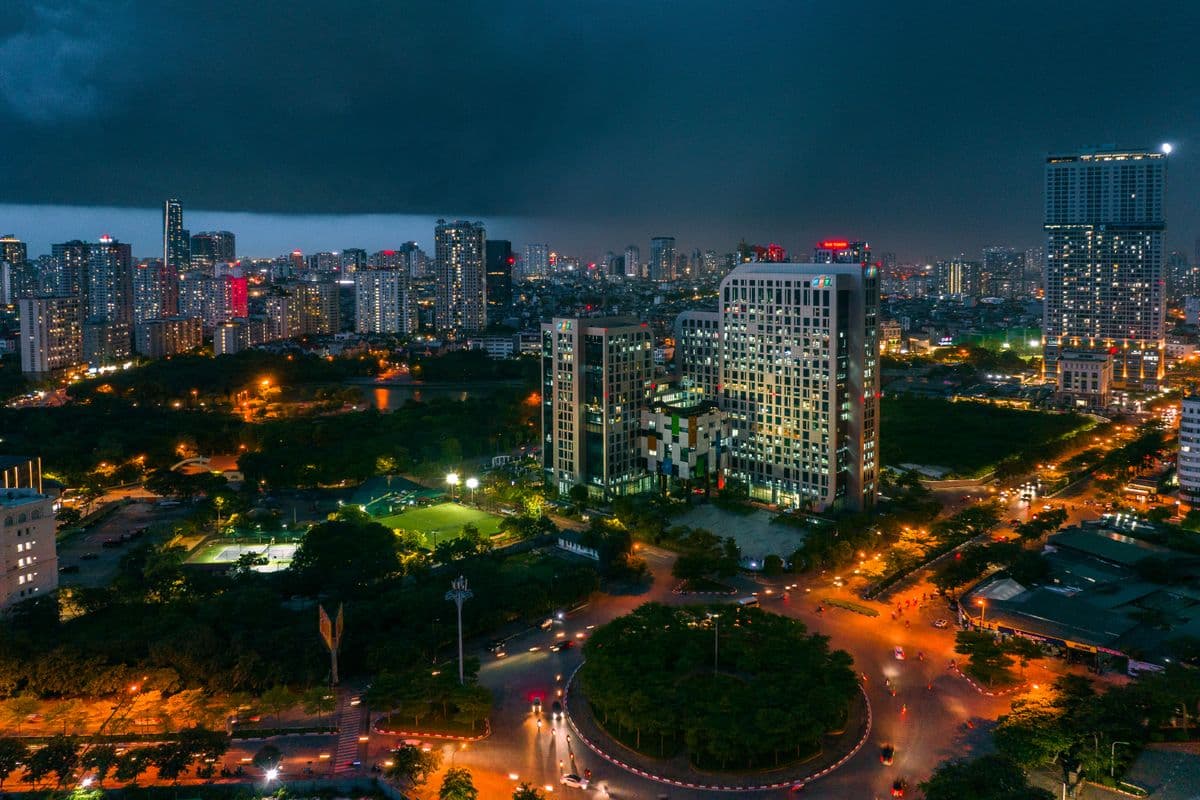
Smart city AI programs need pedestrian tracking, crowd density estimation, traffic interaction modeling, and anomaly detection training data. Hanoi provides: dense pedestrian environments with mixed transport modes (motorbike, bicycle, walking), street-level commercial activity, and public space behavior patterns representative of Southeast Asian cities. The traffic-pedestrian interaction patterns in Hanoi are particularly relevant for smart city programs targeting Vietnam, Thailand, Indonesia, and the Philippines - markets with similar urban mobility characteristics.
Programs can cover intersections, markets, transit stations, and commercial street segments. Participant consent applies to scripted programs where individuals are recruited and compensated for specific behavioral tasks. Public space observation programs operate under separate legal frameworks and require explicit legal review of the specific collection scenario, jurisdiction, and intended data use before any recording begins.
3. Outdoor surveillance and public safety scenarios
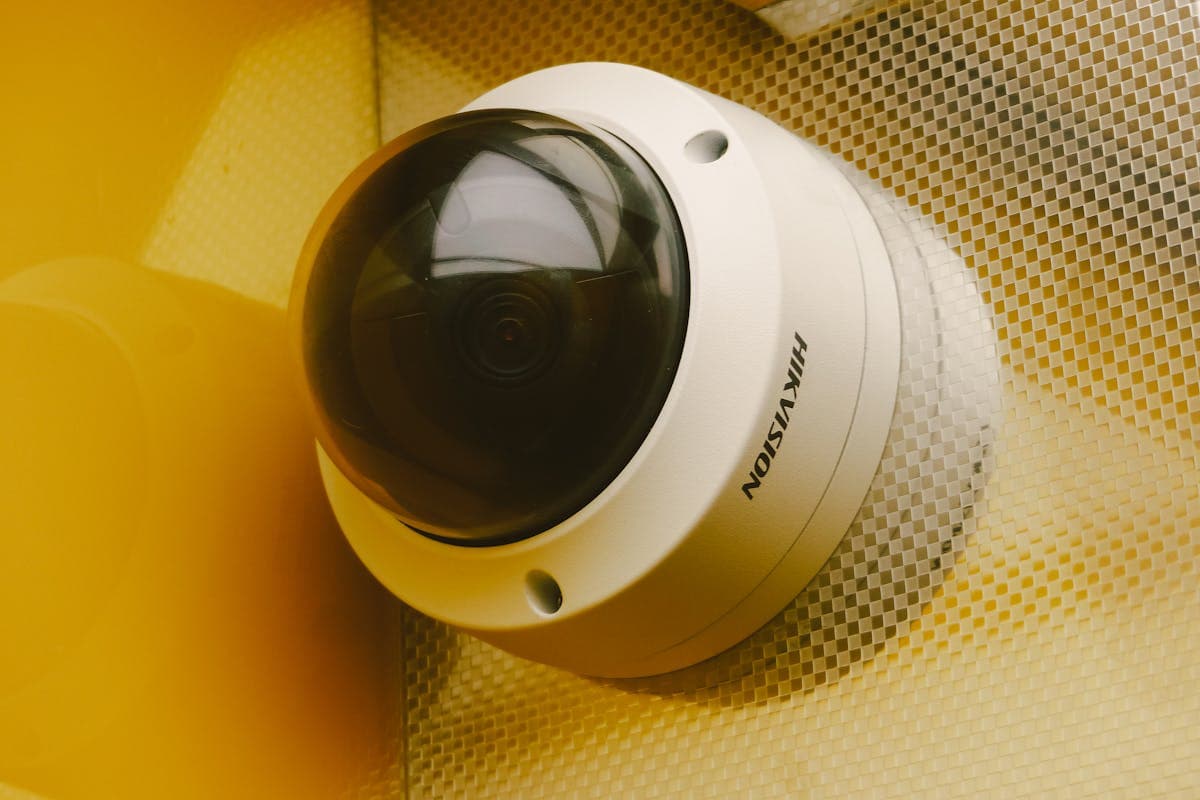
Outdoor surveillance training data programs cover: perimeter monitoring scenarios, object and vehicle detection in outdoor environments, lighting transition datasets (day to night), and weather condition variation. Each scenario type requires a specific capture protocol - perimeter monitoring requires continuous fixed-camera footage across time windows; object detection programs require staged scenarios with defined object categories present in frame.
Vietnamese outdoor environments provide year-round collection opportunities with significant weather variation between Hanoi's four-season climate and HCMC's tropical wet/dry pattern. This variation is directly useful for model robustness across APAC deployment conditions - surveillance models that fail in high-humidity, rain, or low-light conditions are a known production problem for APAC deployments. Deliberate collection of adverse-condition footage addresses this before deployment, not after.
4. Privacy and consent framework for public space collection
Public space video collection for AI training requires careful legal structuring. In Vietnam, collection of identifiable individuals in public spaces requires either consent or operation within public interest and legitimate purpose frameworks with appropriate de-identification protocols. Vietnam's Personal Data Protection Decree (PDPD) establishes the baseline; programs delivering to EU or US buyers also need to satisfy GDPR or applicable US state privacy frameworks at the point of data receipt.
Managed programs include: pre-collection legal review of each scenario type, de-identification (face blur, license plate removal) pipelines before delivery, and documented data handling procedures that satisfy EU/US buyer DPA requirements. De-identification is not optional for most commercial AI training programs - it is a baseline compliance requirement. Do not contract with a vendor who cannot explain their legal basis for each collection scenario type or who cannot demonstrate a working de-identification pipeline before program start.
Scope considerations for retail and surveillance programs
Retail programs typically require 50-200 hours of annotated footage covering 10 or more store locations for production-grade training sets. Surveillance programs require more scenario diversity and typically longer total duration to cover the full range of lighting, weather, and activity conditions needed for robust model performance. Both program types benefit from multi-location collection rather than high-volume collection from a single site - distributional variety across locations is more valuable than raw hour count from one environment.
Both program types benefit from phased collection: run a pilot of 20-30 hours to validate QA pipeline output, scenario coverage, and annotation quality before committing to production volume. The pilot investment is recoverable as part of the final dataset. The alternative - discovering QA or scenario gaps after 200 hours of production collection - is not.
DataX Power designs and runs managed retail and surveillance video data collection programs from Vietnam. Contact us to scope a program for your specific retail analytics or smart city AI use case.
Scope a retail or surveillance video data collection program